Schneidstoff
HSS ist für den Einsatz bei geringeren Stückzahlen von Gewinden geeignet, HSS-E (Kobalt) zäh und universell, VHM für harte Werkstoffe.

Cut precise threads with our high-quality threading tools! Discover a diverse selection of taps, thread cutters, and thread mills for your professional machining projects. Our first-class threading tools offer maximum precision and durability for producing threads in various materials such as metal, plastic, and wood. With a wide range of sizes and thread types, you'll find the right tools for your specific requirements. Our threading tools are equipped with high-quality coatings such as TiN and TiAlN to ensure optimal performance and a longer service life. Increase the efficiency of your machining processes and discover our extensive range of threading tools now!







am-zerspanungstechnik
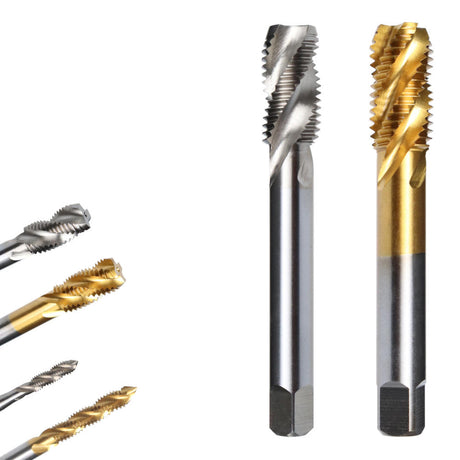
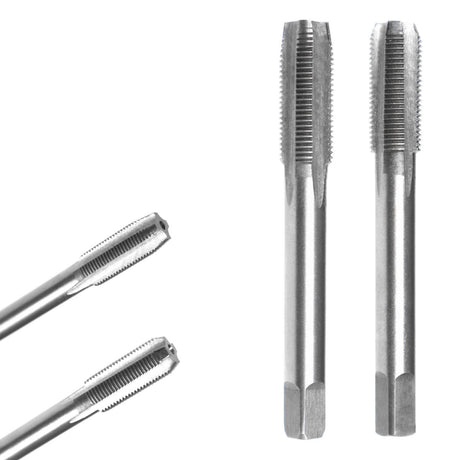
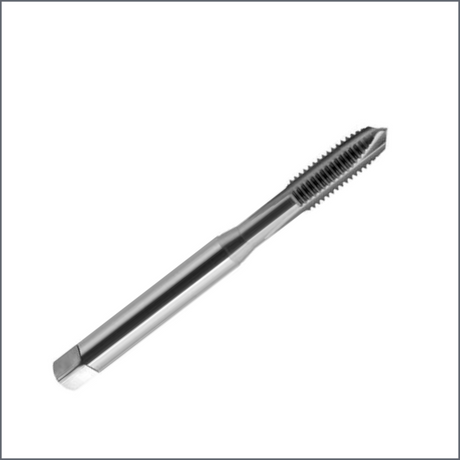
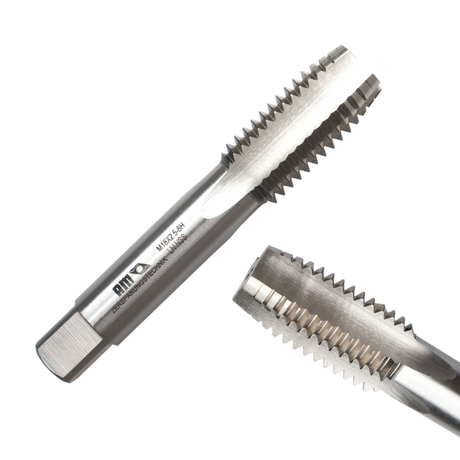
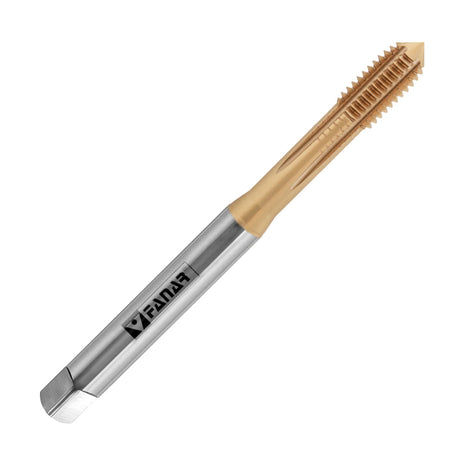
Tap, fine thread, machine tap, through-hole
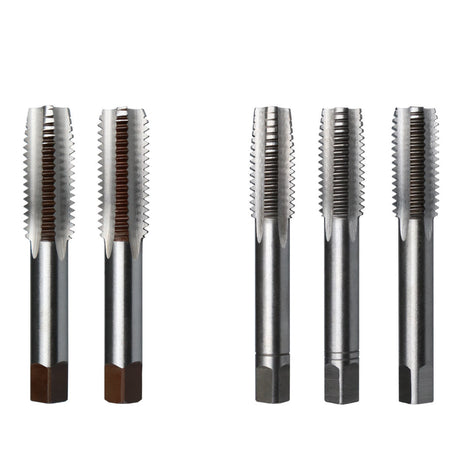


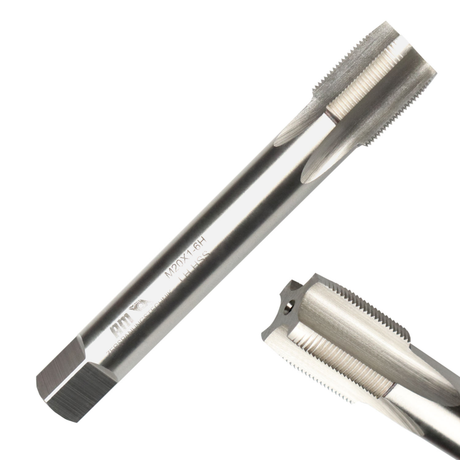


am-zerspanungstechnik
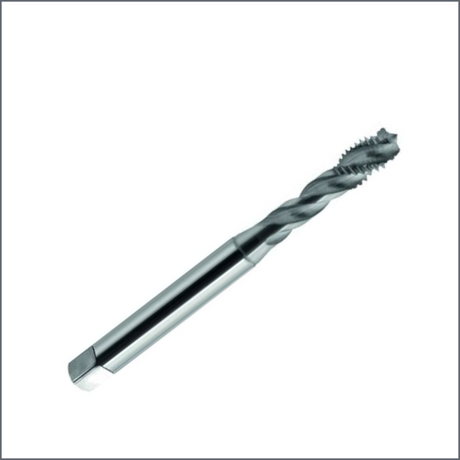
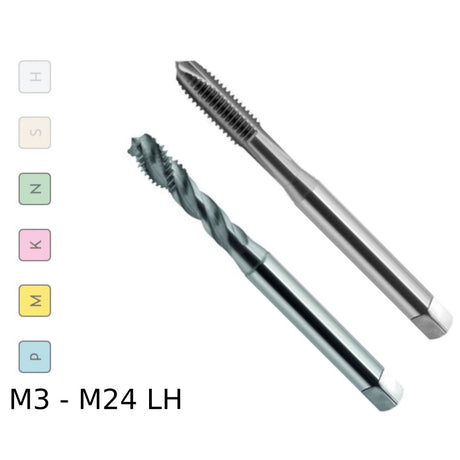
Left-hand tap, fine thread, machine tap, passage LH
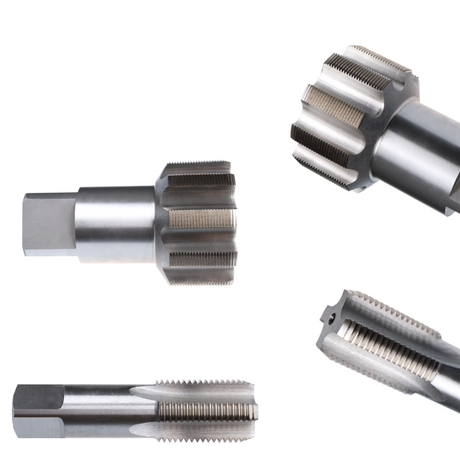


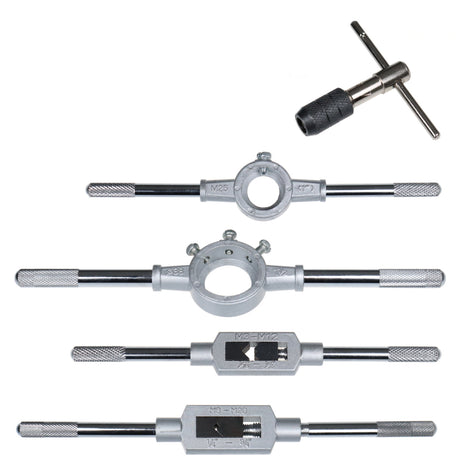






am-zerspanungstechnik
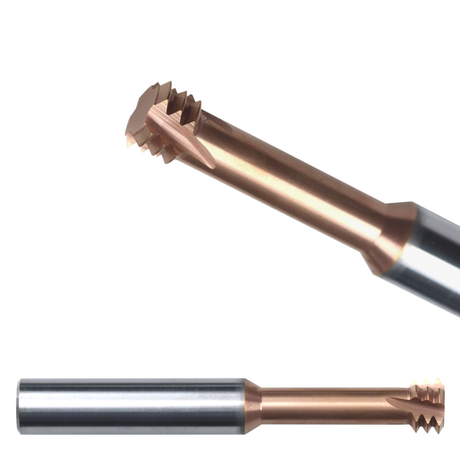
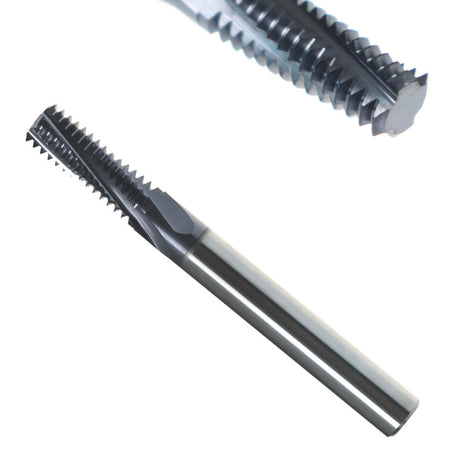
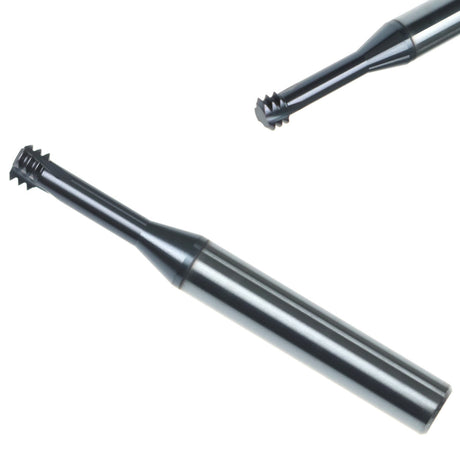
Solid carbide TiSiN thread milling cutter Thread whirler





am-zerspanungstechnik
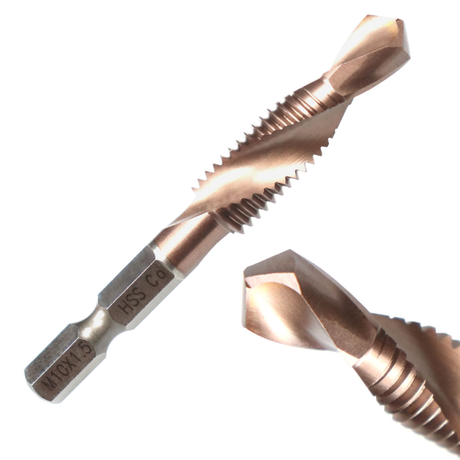
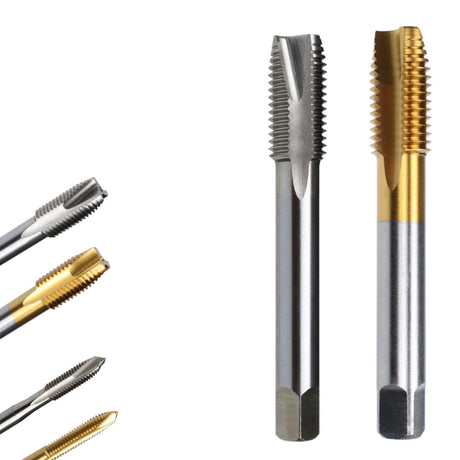
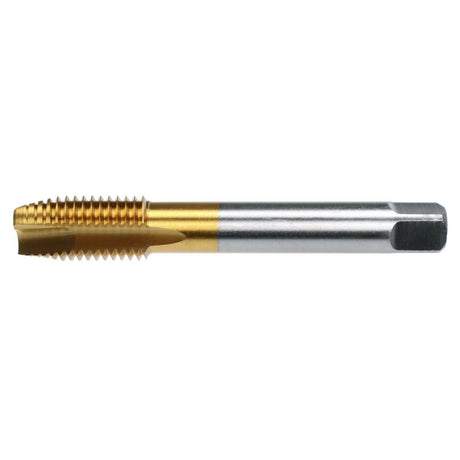
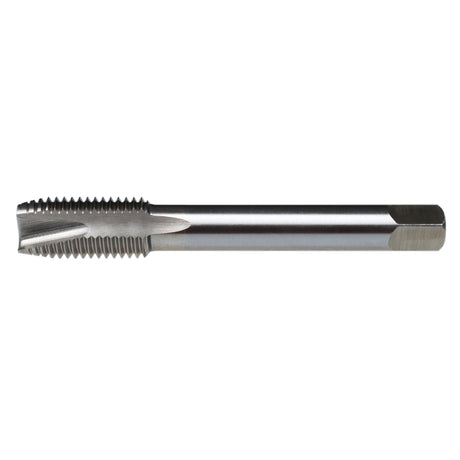
Tap LH short fine thread left-hand thread single-cut tap




am-zerspanungstechnik
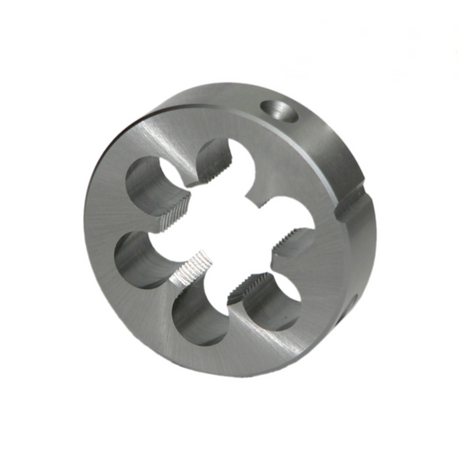
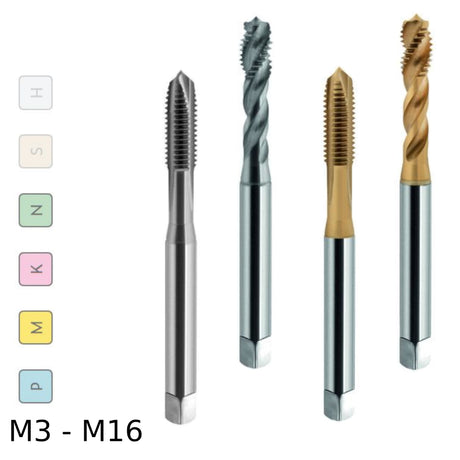
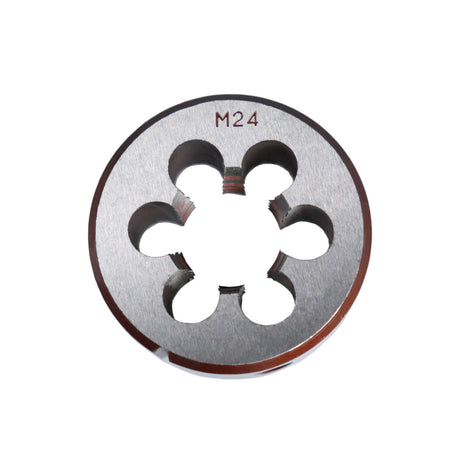
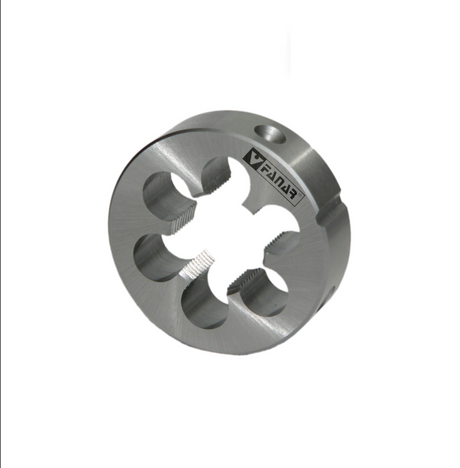
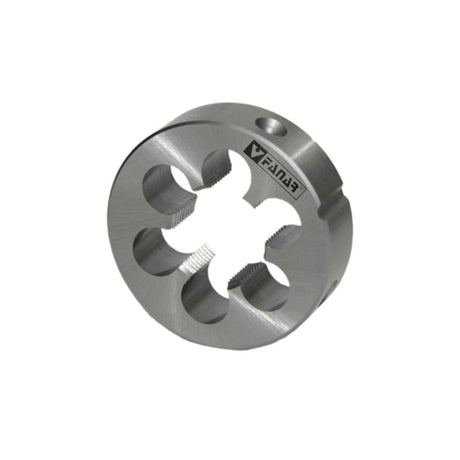
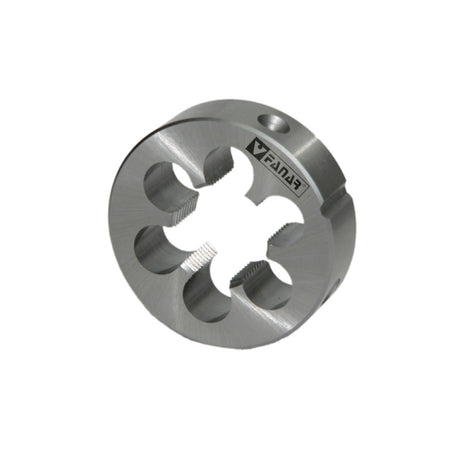
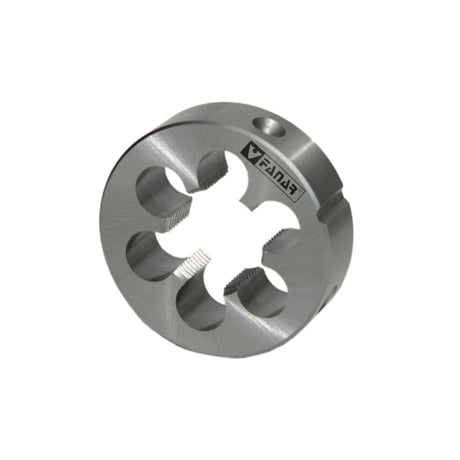
Threading dies Metric threading dies M3 - M24


am-zerspanungstechnik
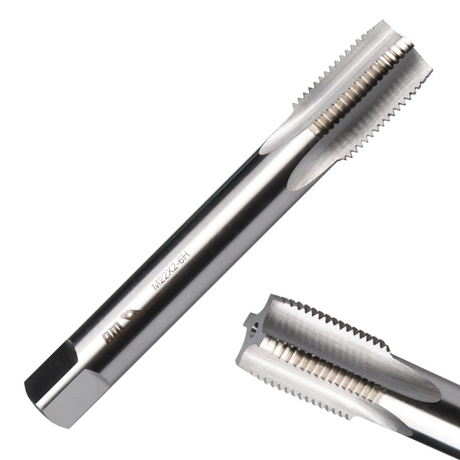
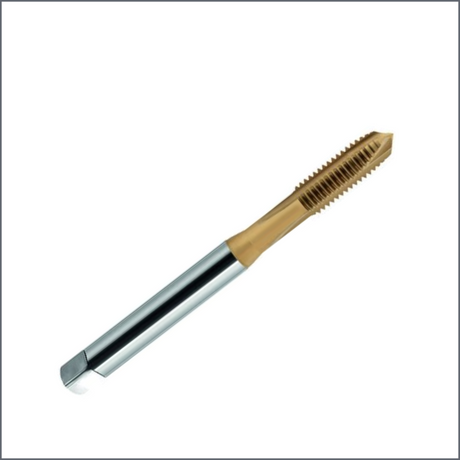
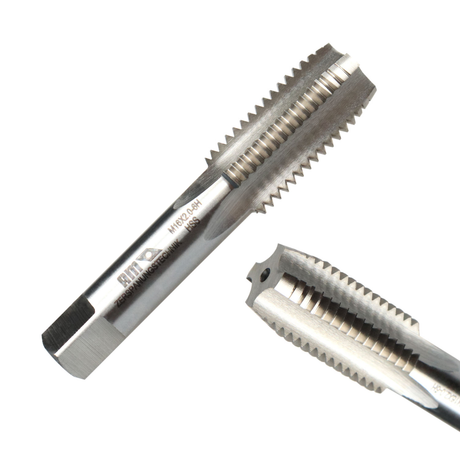
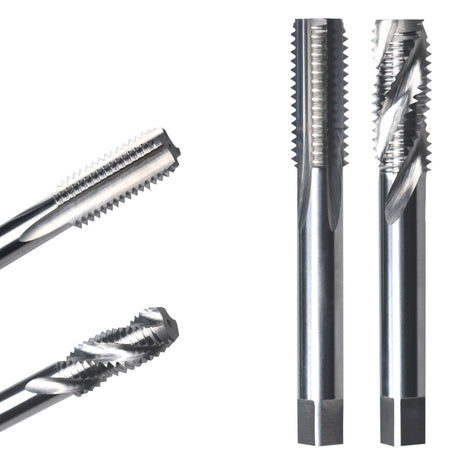
Short tap, fine thread, through-cut tap, right




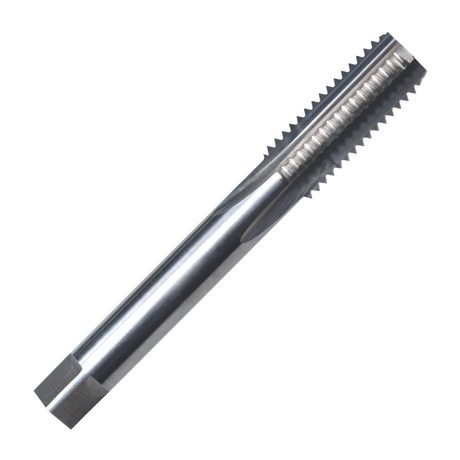
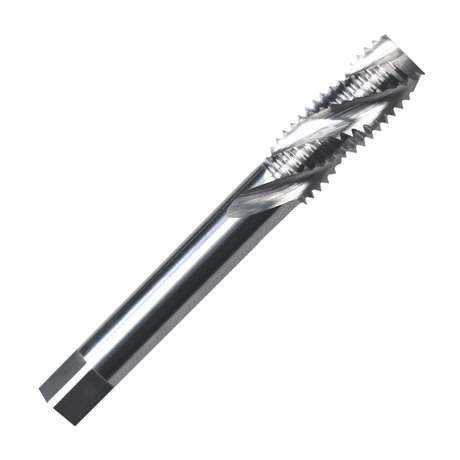

am-zerspanungstechnik
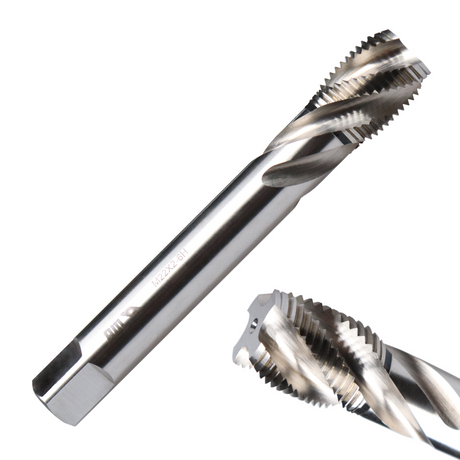
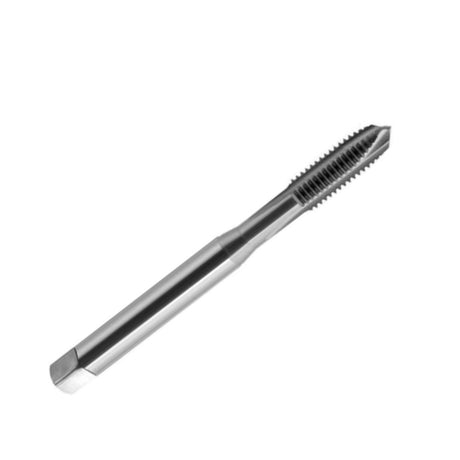
Solid carbide tap passage blind hole Solid carbide machine tap 6H
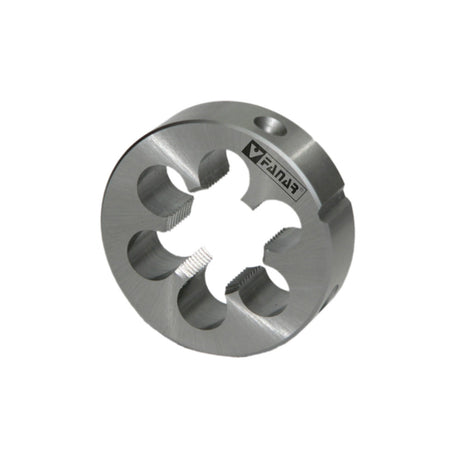


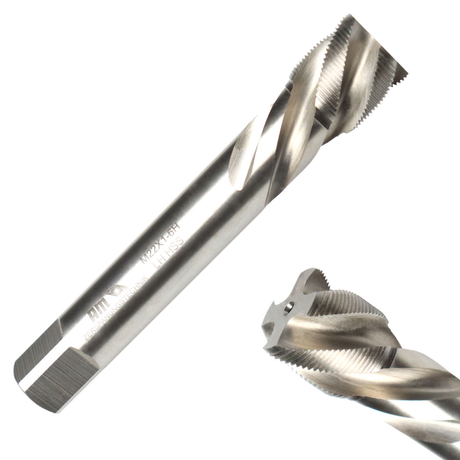


am-zerspanungstechnik
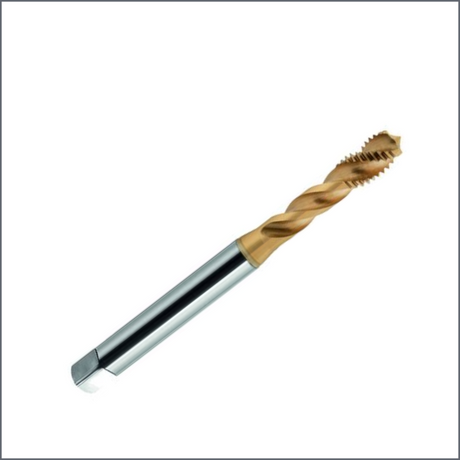
Left hand tap fine thread LH machine tap blind hole






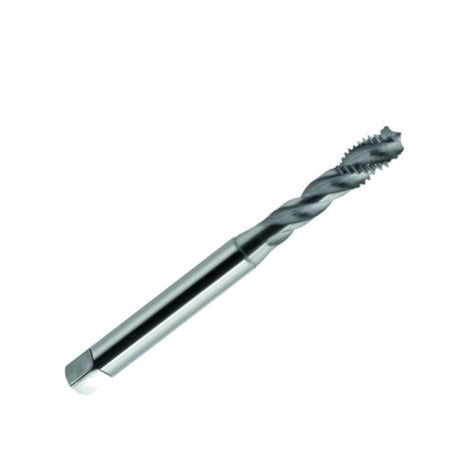


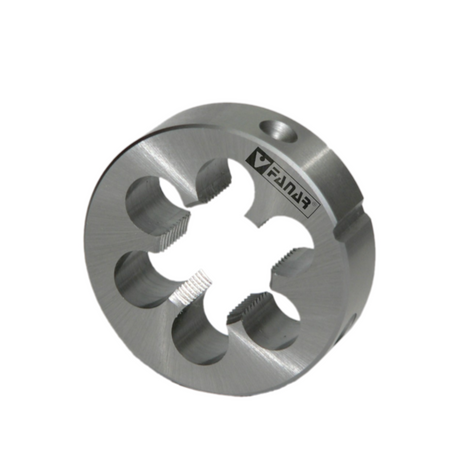


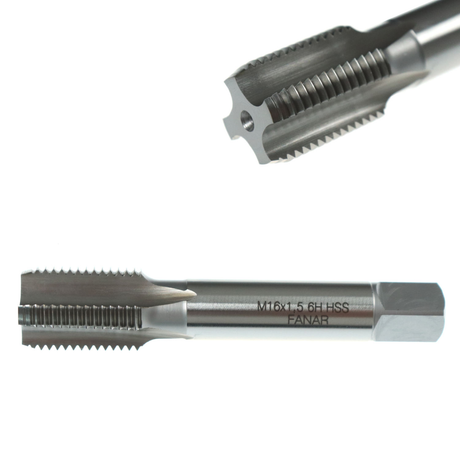


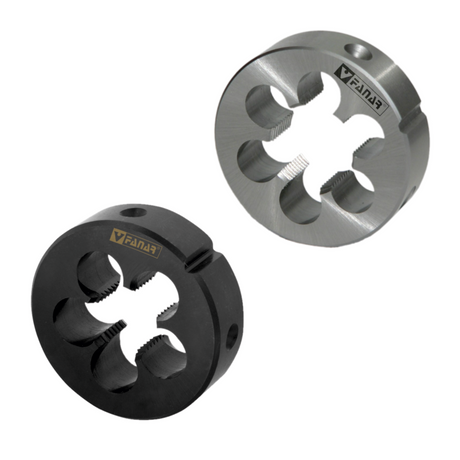


am-zerspanungstechnik








am-zerspanungstechnik
Solid carbide thread milling cutter, whirling tool
Kaufberatung
HSS ist für den Einsatz bei geringeren Stückzahlen von Gewinden geeignet, HSS-E (Kobalt) zäh und universell, VHM für harte Werkstoffe.
Metrisch (M) nach DIN 13, Feingewinde mit kleiner Steigung, Rohrgewinde G (zöllig, BSP), dazu UNC/UNF.
Kernloch = Gewinde-Durchmesser minus Steigung (z. B. M6 = 5,0 mm); ohne richtiges Kernloch bricht der Gewindebohrer.
Form B: langer Anschnitt mit 3,5–5,5 Gewindegänge, Form C: 2–3 Gewindegänge, Form E: kurzer Anschnitt mit 1,5–2 Gewindegängen.
Gewindeformer walzt das Gewinde spanlos (fester, kein Span) - nur für umformbare Werkstoffe wie Stahl, Alu, Kupfer.
Ein Durchgangsloch geht komplett durch das Werkstück, die Späne fallen nach vorne heraus. Ein Sackloch endet im Material, die Späne müssen nach oben abgeführt werden.
Häufige Fragen